
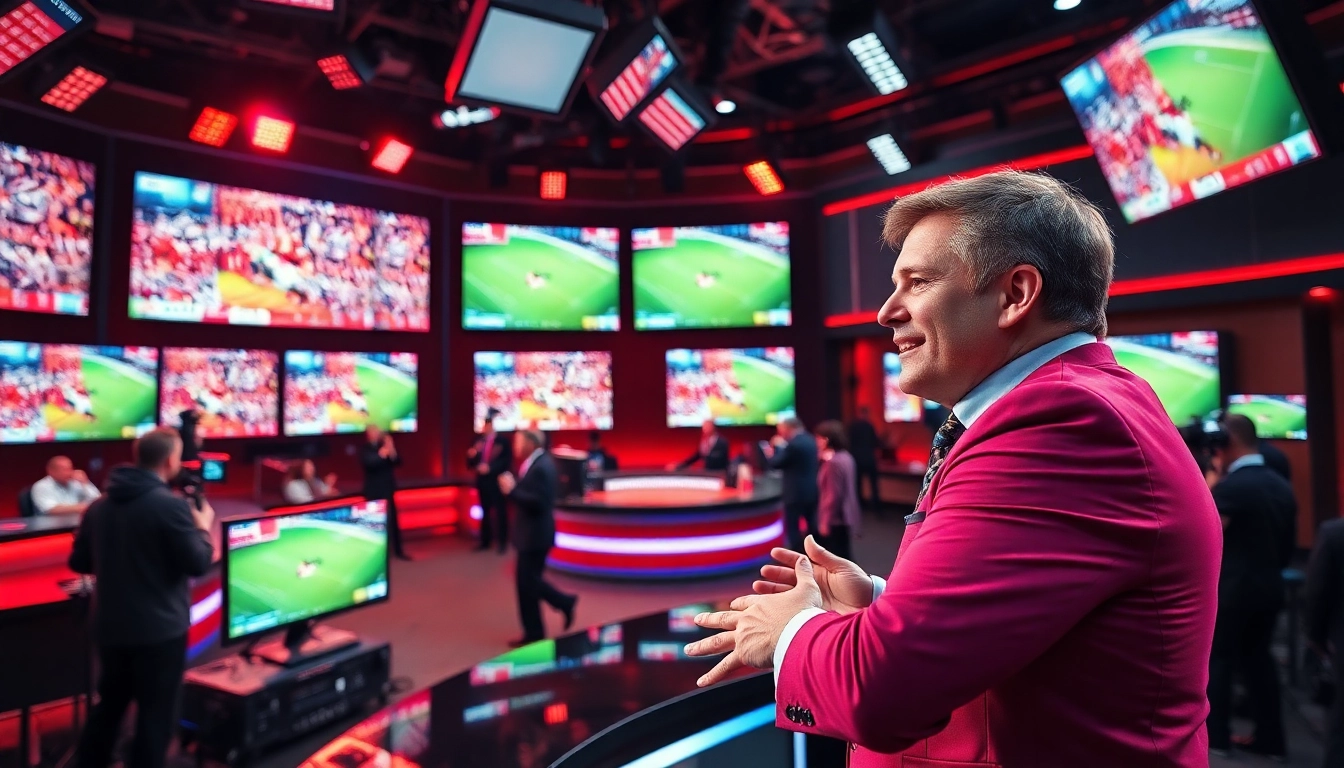
Understanding the Basics of Sports Broadcasting
Definition and Importance of Sports Broadcasting
Sports broadcasting refers to the dissemination of live or recorded sporting events to an audience through various media formats, including television, radio, and online platforms. Its importance lies in the ability to connect fans with their favorite sports teams and athletes, fostering a sense of community and excitement around events that captivate millions globally. The engagement in Sports Broadcasting allows viewers not only to witness the action but also to experience the thrill of game-day in real-time, regardless of their geographic location.
Key Roles in Sports Broadcasting
The sports broadcasting industry is comprised of various essential roles. These include:
- Commentators: Often the voices behind the coverage, they provide play-by-play analysis and color commentary that brings the game to life for viewers.
- Producers and Directors: Responsible for overseeing the broadcast as a whole, they ensure that everything runs smoothly, from camera angles to timing.
- Camerapersons: They capture the action live, making use of various camera techniques to highlight key moments during the game.
- Audio Engineers: Their expertise ensures that the sound quality enhances the viewing experience, capturing both atmosphere and commentary clearly.
- Writers and Researchers: These individuals gather relevant information, stats, and narratives that enrich the presentation of the event.
Evolution of Sports Broadcasting in Media
The evolution of sports broadcasting has seen significant technological advancements. The early days of broadcasting relied heavily on radio, with sporting events provided to listeners through live commentary. The introduction of television brought visual excitement, allowing audiences to see the thrills as they occurred. The digital age has ushered in the prevalence of online streaming services and mobile applications, providing fans with unprecedented access to live events, highlights, and interactive content. Moreover, social media platforms have become a vital part of the broadcasting landscape, allowing real-time interactions and updates that engage audiences on a personal level.
Essential Equipment for Sports Broadcasting
Cameras and Audio Gear
Having the right equipment is paramount for delivering high-quality sports broadcasts. Essential equipment includes:
- HD Cameras: High-definition cameras capture sharp video quality, enabling viewers to see every pivotal moment and highlight during the game.
- Multi-Camera Setup: Using multiple cameras allows broadcasters to capture various angles and aspects of the event simultaneously, adding depth to the viewing experience.
- Microphones: Quality microphones are essential for recording clear commentary and ambient sounds, significantly enhancing the viewers' experience.
Software and Streaming Platforms
The choice of software and streaming platforms can completely alter the quality of a broadcast. Some key considerations include:
- Broadcasting Software: Tools like OBS Studio and Wirecast allow for multi-source broadcasting, enabling integration of various media formats.
- Live Streaming Services: Options like YouTube Live and Twitch have gained popularity for their ease of use in reaching audiences directly through digital channels.
Broadcast Studio Setup Essentials
Broadcasting from a studio requires meticulous planning and setup:
- Soundproofing: A quiet environment is necessary for clear audio, and soundproofing materials can help reduce background noise.
- Lighting: Proper lighting equipment is crucial to ensure that both visuals and hosts look their best on camera.
- Control Room: This space should be equipped with monitors and control panels that allow producers and directors to switch camera feeds and manage audio.
Techniques for Effective Sports Broadcasting
Engaging Commentary Tips
Commentary is a critical element in sports broadcasting. Here are some tips to ensure engaging commentary:
- Be Dynamic: Vary your tone and pitch to match the excitement of the game and maintain listener interest.
- Build a Narrative: Share backstories, statistics, and player insights to enrich the viewer's understanding of the event.
- Encourage Interaction: Utilize social media integration to allow fans to voice their opinions and questions, creating a two-way communication channel.
Visual Presentation Best Practices
Visuals play a crucial role in sports broadcasting. Effective strategies include:
- Use Graphics: Incorporate graphics and on-screen statistics to enhance viewer comprehension and provide real-time updates.
- Cue Replays: Strategically utilize replays to highlight critical moments and discuss significant plays with the audience.
- Ensure Clear Branding: Maintain a consistent look and feel throughout the broadcast to reinforce the network's brand identity.
Building an Interactive Audience Experience
Enhancing audience interaction can elevate the broadcast experience. Consider these methods:
- Social Media Integration: Display live social media feeds during broadcasts to highlight fan comments and engagement.
- Interactive Polls: Implement polling features that allow viewers to weigh in on key aspects of the game, adding a layer of engagement.
- Viewer Submissions: Encourage fans to submit their questions or predictions before and during games to foster a community feel.
Challenges in Sports Broadcasting
Navigating Live Event Pressures
Sports broadcasting comes with its fair share of challenges. Being live can often lead to unpredicted scenarios such as technical failures or unexpected events. Preparation is crucial:
- Have Backup Plans: Always have contingency plans in place for potential audience issues or technical malfunctions.
- Training Sessions: Hold regular training for the team to handle unexpected changes smoothly.
Ethical Considerations in Coverage
Ethics play a vital role in broadcasting. Broadcasters must adhere to:
- Accuracy: Ensure that the information provided is factual and up to date.
- Respect for Privacy: Maintain the dignity of players and teams, especially concerning personal and sensitive information.
Adapting to Evolving Technology Trends
The fast-paced nature of technology means that sports broadcasters must continually adapt. Essential strategies include:
- Stay Updated: Regularly review emerging technologies to identify trends that could improve broadcasts.
- Focus on Networking: Building connections with tech companies can provide early access to innovations in broadcasting.
Future Trends in Sports Broadcasting
The Rise of Streaming Services
Streaming services are reshaping the sports broadcasting landscape. Their popularity arises from:
- Accessibility: Viewers can watch games on multiple devices without being tied to traditional broadcasting methods.
- Personalization: Many platforms allow users to tailor their viewing experiences, from selecting angles to choosing which events to follow.
Enhancements in Viewer Engagement
Viewer engagement continues to evolve with technology. Future strategies include:
- Augmented Reality: Implement AR features to enhance real-time statistics and player insights during games.
- Virtual Reality Experiences: Offer immersive experiences that allow fans to feel like they are part of the live event.
Innovations in Broadcasting Technology
Technological innovations will continue to impact sports broadcasting significantly. Some potential developments include:
- AI in Production: Artificial intelligence could analyze game footage for real-time highlights and commentary suggestions automatically.
- 5G Networks: Enhanced connectivity could allow for higher-quality streaming without latency issues.
Frequently Asked Questions
What is sports broadcasting?
Sports broadcasting is the distribution of live or recorded sporting events through TV, radio, or online platforms to engage audiences worldwide.
What equipment is essential for sports broadcasting?
Key equipment includes HD cameras, microphones, broadcasting and streaming software, and a well-equipped control room.
How can commentators improve their delivery?
Commentators can enhance their delivery by varying their tone, building narratives, and encouraging audience interactions through social media.
What challenges do sports broadcasters face?
Major challenges include technical failures during live broadcasts, ethical issues in coverage, and the need to adapt to rapidly changing technology.
What future trends are emerging in sports broadcasting?
Future trends include increased use of streaming services, enhanced viewer engagement through AR/VR, and innovations in broadcasting technology such as AI.